
Invest In Your School Grounds – You’ll be glad you did!
In an era where education is increasingly shaped by screens, testing metrics, and indoor routines, school grounds are often overlooked as little more than playgrounds or sports fields. Yet with thoughtful investment, these spaces can become some of the most powerful learning environments a school possesses. From boosting academic outcomes to improving mental health and community engagement, investing in school grounds for outdoor learning and play is not a luxury — it is a strategic, evidence-informed decision.
Outdoor Learning Improves Academic Outcomes
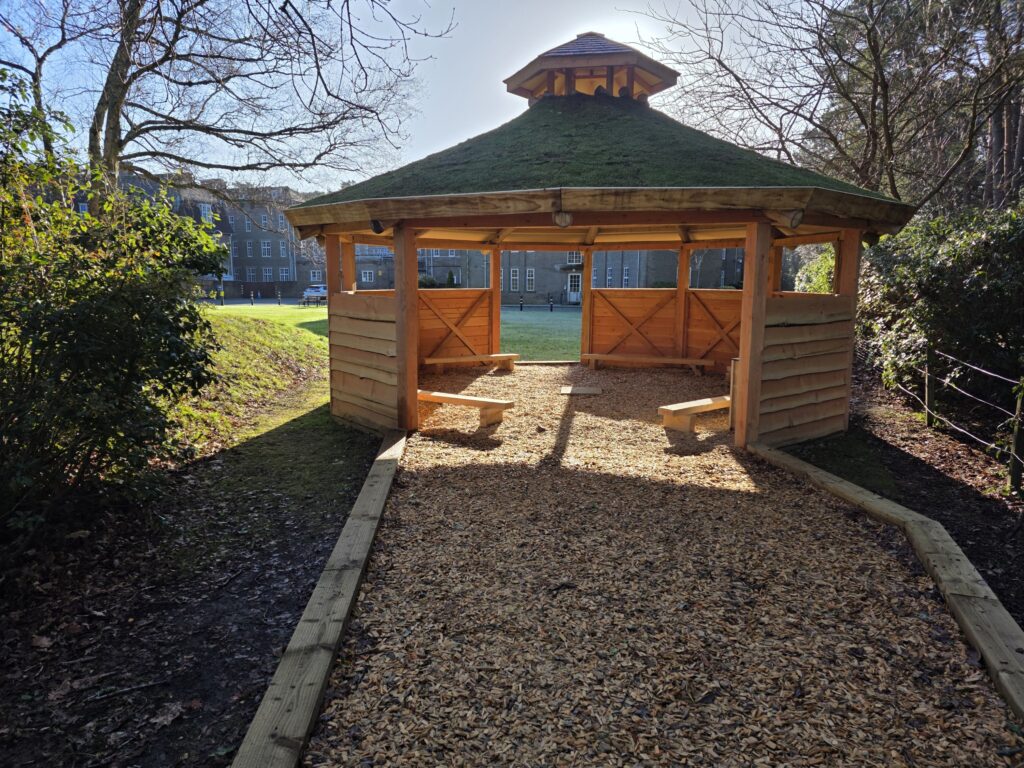
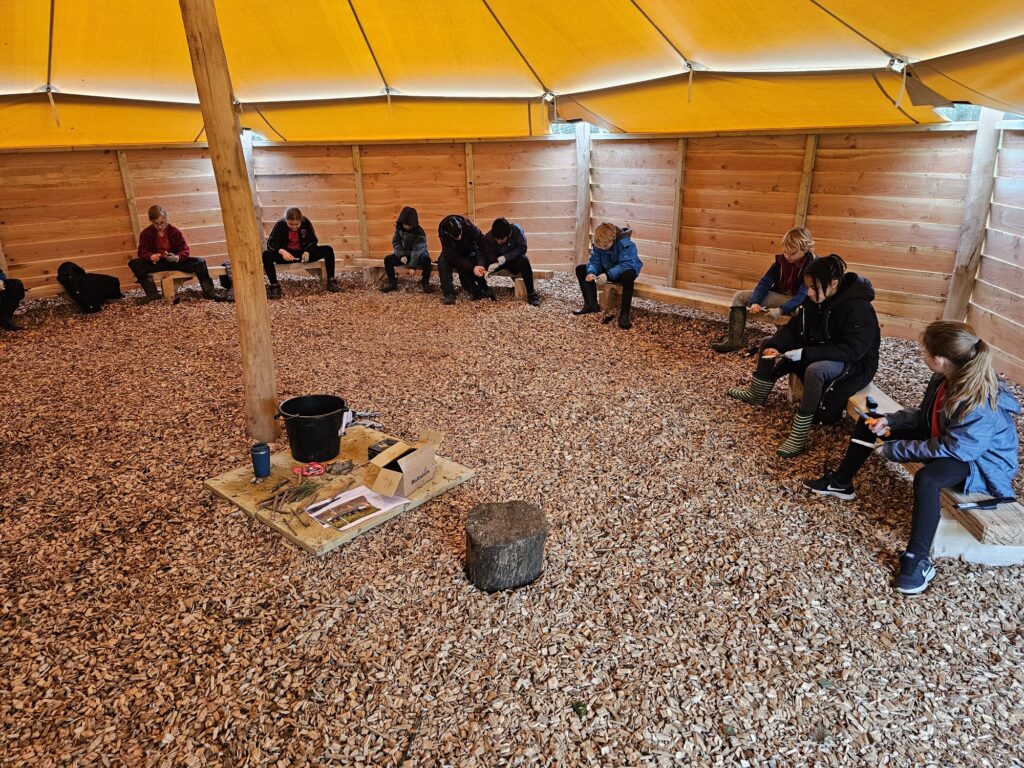
Outdoor learning is not simply “playing outside.” When designed intentionally, school grounds can function as living classrooms that support science, math, literacy, and the arts. Gardens become laboratories for biology and environmental science. Weather stations support data collection and graphing skills. Natural materials inspire creative writing and storytelling. Physical structures such as amphitheatres or outdoor whiteboards allow teachers to conduct full lessons in fresh air.
Research consistently shows that students retain information better when learning is hands-on and experiential. Outdoor settings naturally encourage inquiry-based learning — students observe, question, experiment, and reflect. This kind of active engagement strengthens critical thinking and deepens understanding in ways that worksheets rarely can.
When schools invest in purposeful design — shaded seating, outdoor classrooms, planting beds, sensory paths — they create flexible spaces that support curriculum delivery across subjects and year levels.
Physical Activity Supports Brain Development
Children are not designed to sit still for hours. Regular movement improves blood flow to the brain, increases concentration, and supports executive functioning skills such as attention control and working memory.
Well-designed school grounds encourage active play for all students, not just those who gravitate toward competitive sports. Climbing structures, trails, nature play zones, and open-ended loose parts (like logs or movable materials) promote balance, coordination, and strength. More importantly, they invite imagination.
Physical activity during the school day is strongly linked to improved behaviour and classroom focus. After unstructured outdoor play, students return to class more regulated and ready to learn. Investing in diverse, engaging outdoor environments makes this regulation possible for a wider range of learners.
Mental Health and Wellbeing Benefits
Young people today face unprecedented levels of stress and anxiety. Natural environments provide a powerful antidote. Time spent outdoors reduces cortisol levels, supports emotional regulation, and improves mood. Access to green space has been associated with lower levels of anxiety and depression in children and adolescents. Even brief exposure to nature — trees, plants, soil, fresh air — can have measurable calming effects.
When schools prioritize green infrastructure, such as tree planting, gardens, and biodiverse habitats, they create daily opportunities for restorative experiences. Quiet reflection corners, sensory gardens, and shaded seating areas can offer students safe spaces to decompress during challenging moments. Investing in school grounds is, therefore, an investment in preventative mental health support — one that benefits every student, every day.
Inclusive and Equitable Play Opportunities
Traditional playgrounds often centre on a limited range of physical abilities and social dynamics. By contrast, thoughtfully designed outdoor spaces can foster inclusion.
Natural play environments allow children to engage at their own level. A fallen log can become a balance beam for one student, a stage for another, and a quiet seat for someone who needs a break. Diverse terrain supports varied mobility and encourages cooperative problem-solving.
When schools invest in accessibility — smooth pathways, wheelchair-friendly seating, sensory-rich but non-overwhelming spaces — they send a powerful message about belonging. Outdoor spaces can be some of the most socially integrative areas on school sites when equity is built into their design.

Environmental Stewardship Starts at School
Climate education and sustainability are increasingly central to modern curricula. But meaningful environmental literacy cannot develop in purely indoor settings. School grounds can serve as micro-ecosystems where students observe seasonal changes, pollinators, soil health, and water cycles first hand. Compost systems, rain gardens, and native plant habitats make abstract environmental concepts tangible.
Students who plant, nurture, and harvest food develop a sense of responsibility and agency. They see the impact of their actions. This fosters long-term environmental stewardship — a critical competency in a changing world. By investing in sustainable landscaping and outdoor learning infrastructure, schools model the very values they aim to teach.
Strengthening Community Connections
School grounds are not only for students. They are community assets.
Outdoor spaces can host family events, markets, performances, and after-school programs. Gardens can supply local food banks. Partnerships with local environmental organizations or businesses can support maintenance and programming.
When communities see vibrant, well-maintained school grounds, they recognize a commitment to student wellbeing and long-term investment. This visibility can strengthen support for schools and foster shared pride. Moreover, outdoor learning spaces are adaptable. They can evolve over time, reflecting community input and changing educational needs.
Long-Term Financial Sense
While upgrading school grounds requires upfront investment, the long-term returns are substantial. Green infrastructure can reduce heat island effects, lower cooling costs through strategic tree placement, and improve stormwater management. Durable, natural materials often require less maintenance than complex metal equipment. Grants for sustainability, health, and community development are frequently available for outdoor projects.
Additionally, improved student wellbeing and engagement can reduce behavioural incidents and absenteeism — outcomes that carry both educational and financial benefits. Investing in school grounds is not an extra expense; it is a strategic allocation of resources that supports multiple institutional goals at once.
A Vision for the Future of Education
Education is evolving. Schools are rethinking how to prepare students for a complex, interconnected world. Creativity, collaboration, resilience, and adaptability are essential skills — and these flourish in dynamic environments.
Outdoor spaces offer unpredictability and real-world complexity. Weather changes. Plants grow. Insects appear. Students must adapt, observe, and problem-solve. These experiences cultivate flexibility and curiosity in ways that static classrooms cannot fully replicate. By investing in their grounds, schools signal that learning is not confined by four walls. They acknowledge that children learn best when their bodies move, their senses engage, and their curiosity is sparked.
Ultimately, transforming school grounds into vibrant outdoor learning and play environments is about more than landscaping. It is about reimagining education itself — creating spaces where academic achievement, wellbeing, and environmental responsibility grow together.
The question is no longer whether schools can afford to invest in their outdoor spaces. The real question is whether they can afford not to?