
Why Senior Leadership Buy-in Is Crucial for a Whole-School Outdoor Learning Approach
Over the past decade, more schools in the UK have embraced outdoor learning not just as a one-off enrichment activity, but as a regular, embedded part of the curriculum. When senior leaders — headteachers, governors, and senior leadership teams — are genuinely on board, this shift has far greater impact and sustainability. Here’s why their support matters, and how to secure it. Senior Leadership Team buy in is crucial.
The Case for Leadership Support
Leadership Sets the Vision and Culture
Outdoor learning can’t simply be a “nice extra.” For it to flourish, it needs to be woven into a school’s ethos — and senior leaders are the people who set that tone. Their buy-in ensures outdoor learning is recognised not as an add-on but as a core part of teaching and learning. Research from Scotland’s education authorities highlights that effective leadership is key: when leaders share a clear rationale and vision, outdoor learning becomes a priority for staff, students and parents.
Leaders Enable Resourcing and Sustainability
Leaders also control resourcing and risk management, both of which are essential to effective outdoor learning. They can champion funding for equipment, staff training, or grounds development — as well as ensure policies and risk assessments are sensible and workable, rather than barriers. With appropriate support, schools can integrate outdoor learning within existing systems, making processes “routine and expected” rather than overwhelming.
Leadership Strengthens Evidence and Evaluation
Beyond practicalities, leadership buy-in helps to demonstrate impact. Senior teams can embed outdoor learning into self-evaluation cycles, collect meaningful data, and link outcomes to wider school improvement priorities. This creates a stronger case for sustainability.
Staff Confidence Depends on Leadership
It also fosters staff confidence. Without leadership support, outdoor learning often depends on a single passionate individual, which is rarely sustainable. When leaders empower staff through training, shared leadership and time allocation, capacity grows. We encourage schools to develop at least two outdoor learning leads so the vision can thrive regardless of staffing changes.
Outdoor Learning Aligns With Strategic Priorities
Finally, outdoor learning supports key educational priorities — including wellbeing, behaviour, engagement and environmental responsibility. Nature-based learning has been shown to improve resilience, teamwork, problem-solving and social development, contributing to the kind of whole-child outcomes senior leaders are increasingly focused on.
How to Bring Your Senior Team On Board
Build a Shared Vision
Securing senior leadership commitment works best when approached as a partnership rather than a pitch. Begin by building a compelling vision that connects outdoor learning to the school’s strategic priorities. Frame your ideas around improvement areas that leaders already value — such as wellbeing, attendance, enriched curriculum experiences or community engagement. Supporting this vision with research, success stories and examples from other schools can help leaders see outdoor learning as both credible and achievable. Offering a simple, phased plan allows them to visualise what sustainable implementation might look like over time.
Start with Pilots and Demonstrations
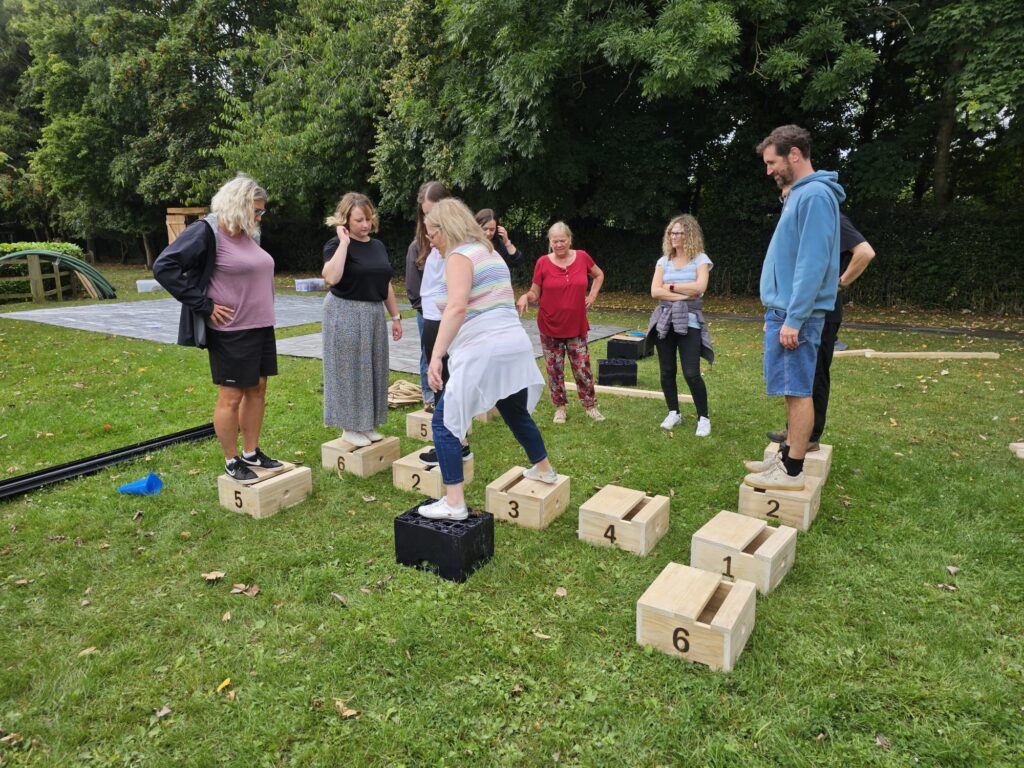
Piloting small projects is another effective way to bring leadership on board. A short-term pilot with one class or subject can demonstrate impact without demanding immediate whole-school change. Inviting senior leaders to experience outdoor learning first-hand — for example, by taking part in an Outdoor Classroom Day or an open session — often has a powerful effect. Following the pilot, gathering feedback from staff and pupils creates a strong evidence base to share with the leadership team.
Use Professional Development to Build Confidence
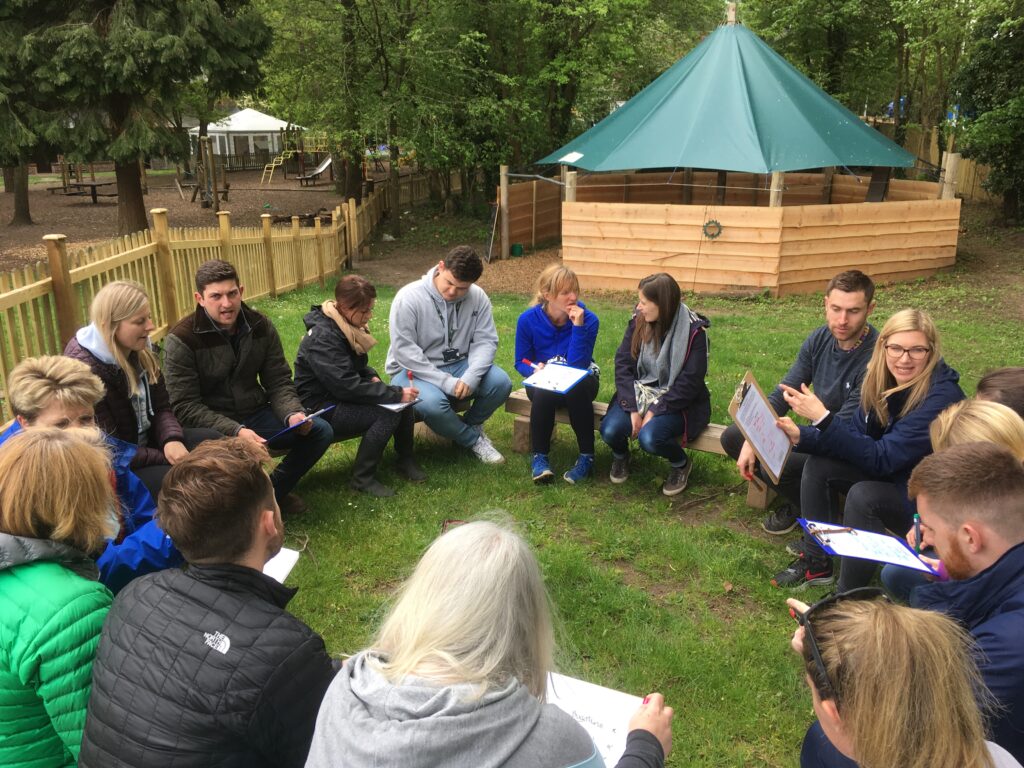
Professional development also goes a long way. Encouraging senior leaders themselves to attend training, or to sit in on sessions being run for staff, can help them understand how outdoor learning supports pedagogy, wellbeing and school culture. Organisations like ours offer leadership-focused workshops that frame outdoor learning as a strategic tool, not just a classroom technique.
Bring in External Partners
External partnerships can further strengthen your case. See what we can offer here. Bringing in a respected organisation to present evidence, offering support for grant applications, or providing free curriculum resources can reassure leaders that you’ll have support beyond the school staff team. Charities like the Woodland Trust and the Field Studies Council offer credible frameworks schools can rely on. These partners also help lighten the workload by providing resources, training or funding that make outdoor learning more feasible.
Emphasise Measurable Outcomes
Finally, emphasise evaluation and measurable outcomes. Working with leadership to identify what success will look like — whether improvements in wellbeing, engagement, attendance, or pupil voice — builds accountability and demonstrates that outdoor learning can serve the school’s improvement agenda. When leaders can see clear metrics and regular reporting, they’re far more likely to invest their time and support.
UK-Based Resources to Support Your Pitch
- Us! Get in touch with us at SOuL – Training, long term planning, outdoor classroom and play space installations
-
Learning through Landscapes (LtL) – Resources, grants.
-
Woodland Trust – Free curriculum-linked nature resources.
-
Field Studies Council (FSC) – Training, biodiversity education and Nature-Friendly Schools materials.
-
Outdoor Classroom Day UK & Ireland – Campaign resources and activity ideas.
-
FSC UK (Forest Stewardship Council) – Environmental education resources for climate and forest learning.
Conclusion
Getting senior leadership on board is essential if outdoor learning is to be embedded, strategic and sustainable. With their support, schools can secure the resources, culture and long-term vision needed for success. By sharing compelling evidence, running pilots, involving leaders in training, and drawing on strong UK-based partners, you can build momentum and demonstrate how outdoor learning enriches both curriculum and community. Ultimately, whole-school outdoor learning creates more resilient, engaged and confident learners — a powerful reason for any senior leadership team to get behind it.